
 By
By 
The Art and Science of Dermaplaning: What You Need to Know
Unveiling the Technique: How Dermaplaning Works
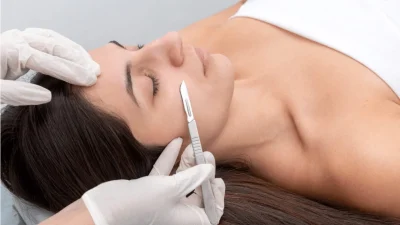
Dermaplaning is a cosmetic procedure that involves the careful exfoliation of the skin’s surface using a sterile surgical scalpel. This hands-on technique removes dead skin cells as well as fine vellus hairs, often referred to as “peach fuzz.” By utilizing a gentle, sweeping motion, skilled practitioners can effectively slough away the uppermost layer of dead skin, revealing the fresh and vibrant skin beneath. This process not only enhances the texture of the skin but also creates a smoother canvas for makeup application, improving both wear and overall aesthetics. Specifically, the dermaplaning tool is designed to be safe and precise, allowing professionals to execute the procedure with control and care, minimizing the risk of cuts or irritation. In essence, dermaplaning serves as a catalyst to renew the skin’s glow while promoting a balanced complexion.
The Skin Benefits: Why Your Complexion Will Thank You
The advantages of dermaplaning extend far beyond mere aesthetics; they encompass a plethora of skin health benefits. Immediately after a treatment, many individuals notice an immediate improvement in texture and brightness, creating a more youthful and radiant appearance. This revitalization occurs due to the removal of the outer layer of dead skin cells, which can otherwise contribute to dullness and unevenness in skin tone. In addition, dermaplaning allows for deeper penetration of skincare products, elevating their efficacy exponentially. With the surface barrier cleared of obstacles, serums rich in vitamins, antioxidants, and hyaluronic acid can directly reach the skin cells that need them the most. Furthermore, those suffering from acne scars, hyperpigmentation, or uneven skin texture may realize marked improvements over time as repeated exfoliation encourages cellular turnover and enhances overall skin resilience.
Debunking Myths: What Dermaplaning Isn’t
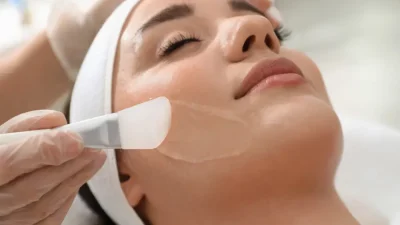
Despite its growing popularity, dermaplaning is often accompanied by certain misconceptions. One common myth suggests that dermaplaning can lead to an increase in facial hair density or thickness, which is untrue. The fine vellus hairs removed during treatment grow back at the same rate and texture as before, dispelling fears of unwanted hair growth. Additionally, some believe that dermaplaning is painful or damaging to the skin; however, when performed by a trained professional, the procedure is quite gentle. Patients often report feeling minimal discomfort, likening the experience to a light scraping sensation. It’s crucial to recognize that dermaplaning is not an alternative to chemical peels or microdermabrasion, which target skin concerns differently. Dermaplaning serves as an excellent complementary treatment to these methods, as they can work synergistically to enhance overall skin health and appearance.
From Dull to Dazzling: The Transformation You Can Expect
The Immediate Effects: Instant Glow and Smoothness
Immediately after a dermaplaning session, the transformative effects are apparent. Clients frequently describe their skin as feeling incredibly smooth and soft to the touch, akin to that of a baby’s. This initial glow is primarily attributed to the removal of dead skin cells and fine hair, allowing light to reflect evenly across the newly revealed surface. The results can be dramatic; for many, it’s a noticeable and tangible shift in their outward appearance. After one session, individuals often find that their makeup applies more smoothly and looks more radiant, enhancing confidence and improving their overall self-image. Most practically, this instant glow can be celebrated on special occasions or events, making dermaplaning a favored treatment amongst brides and those preparing for photo ops.
Long-Term Gains: How Dermaplaning Enhances Your Skincare Routine
The benefits of dermaplaning extend well into the future, as the procedure plays a crucial role in optimizing one’s skincare routine. Frequent and consistent dermaplaning recommended every 4 to 6 weeks can lead to enhanced skin health over time. With dead skin buildup continually addressed, the skin is better equipped to absorb active ingredients found in serums and moisturizers, essentially amplifying their benefits. As a result, individuals may notice improvements in hydration levels, decreased appearance of fine lines, and a reduction in hyperpigmentation. These long-lasting effects can pave the way for a more minimalist approach to skincare, as less product may be required to achieve healthy and glowing skin. In addition, ongoing treatments can regulate oil production and prevent clogged pores, reducing the frequency and severity of breakouts significantly. Overall, dermaplaning equips the skin with a renewed resilience that contributes to long-term health and beauty.
Client Stories: Real-Life Transformations That Inspire
Every individual’s skin is unique, and the transformative power of dermaplaning is best illustrated through real-life accounts from clients who have undergone the treatment. Take Jenna, a 32-year-old marketing professional who battled dull skin due to long days in an office environment. After one dermaplaning session, Jenna was amazed that her skin looked luminous and revitalized, which enhanced her confidence in both personal and professional settings. The anecdote of 45-year-old Susan, who had tried numerous treatments for her sun damage, reinforces the long-term benefits of dermaplaning. After several sessions, she saw a significant reduction in pigmentation and felt empowered to forgo heavy makeup, embracing her natural beauty. These stories not only highlight the immediate effects but also emphasize the powerful, cumulative results that can occur over time after consistent treatments.
Choosing the Right Dermaplaning Service: What to Look For
Credentials Matter: Finding Skilled Professionals
When considering dermaplaning services, one of the most critical factors to evaluate is the credentials and experience of the practitioners. Properly trained professionals, typically licensed estheticians or dermatologists, should conduct dermaplaning. Always inquire about their qualifications, training, and experience specifically in executing dermaplaning. Review customer testimonials and trust online ratings; a professional with a history of positive patient outcomes is often more reliable. Understanding the risks associated with any skin treatment highlights the importance of seeking someone who is not only skilled but also adheres to strict hygiene and safety protocols. A reputable professional will also take the time to evaluate your skin type and discuss your skincare history to personalize the treatment, ensuring you receive a safe and effective service tailored to your unique needs.
At-Home vs. Spa Treatments: Weighing Your Options
The allure of at-home dermaplaning devices and kits has risen significantly in recent years, often marketed for their convenience and affordability. However, it’s crucial to understand the fundamental differences between at-home tools and professional spa treatments. While at-home options may be tempting, the absence of proper technique and sanitation can increase the risk of cuts, infections, and subpar results. Professionals use blades designed specifically for dermaplaning, which are sharper and precision-crafted for optimal results. Moreover, in a professional setting, practitioners have the expertise to assess skin conditions and adapt methods accordingly, significantly reducing the likelihood of adverse outcomes. While at-home kits can be suitable for maintenance, it is advisable to prioritize professional treatments for initiation or when seeking significant skin health improvements. Find a balance that works for you by integrating both methods into your regimen enjoying the benefits of professional care while maintaining it at home.
Questions You Should Ask Before Booking Your Session
To ensure you choose the right dermaplaning service and professional, there are essential questions to ask during your consultation. Inquire about their experience with dermaplaning specifically how many sessions they have conducted, and what types of skin conditions they have treated. Furthermore, seek clarity on the products and tools they utilize during the procedure and whether they will customize the treatment based on your skin type. Questions regarding post-treatment care and potential side effects are equally valuable; understanding how to care for your skin post-session ensures you maximize the benefits. Additionally, find out whether the practitioner discusses ongoing skincare routines, as advice in this area can dramatically influence the success of your results. A professional who values client education demonstrates their commitment to holistic skin wellness, underscoring their dedication to your skin health beyond just the treatment itself.
Aftercare Essentials: Maintaining That Flawless Finish
Post-Treatment Care: Products to Avoid and Embrace
Post-dermaplaning care is critical for maintaining the fresh, smooth skin that results from the procedure. Immediately after the treatment, the skin may feel sensitive and slightly flushed, which is entirely normal. It’s imperative to listen to your skin and avoid applying heavy makeup or products that contain irritating ingredients like retinoids or acids for at least 24 hours post-treatment. Instead, prioritize gentle, hydrating products that replenish the skin’s moisture barrier. Serums containing hyaluronic acid, soothing aloe vera, or chamomile can help calm the skin and encourage healing. Always remember to apply a broad-spectrum sunscreen with an SPF of at least 30, as the skin can be more susceptible to sun damage. Avoiding excessive sun exposure in the days following the treatment will play a significant role in protecting your freshly exfoliated skin and ensuring long-lasting results.
Skin Care Routine Revamp: Enhancing Results After Dermaplaning
Integrating dermaplaning into your skincare regimen presents a wonderful opportunity to revamp and elevate your routine as a whole. After a session, establish a simple yet effective routine that maximizes the benefits of the treatment. Begin with a gentle cleanser that doesn’t strip away the natural oils, ensuring your skin stays nourished. Follow with a serum rich in antioxidants and hydrating elements, as these will penetrate deeply into the skin made newly receptive through exfoliation. This presents a prime opportunity to introduce niacinamide, which can improve skin texture and tone. Incorporate nightly moisturization to seal in hydration and support skin barrier repair. Lastly, consider adding a weekly calming face mask such as those infused with honey or green tea to your routine. A holistic skincare approach will further enhance and prolong the radiant effects of dermaplaning, allowing you to embrace your skin’s renewed vibrancy.
Timing Your Next Appointment: How Often Should You Dermaplane?
To achieve optimum results and maintain flawless skin, determining the right frequency for dermaplaning is essential. Most professionals recommend sessions every 4 to 6 weeks, which aligns with the skin’s natural renewal cycle. This timing allows for the buildup of dead skin cells to accumulate sufficiently while still being manageable through treatment. However, individual needs may vary depending on skin type, sensitivity, and overall skin health. If you’re adapting to new products as a result of opting for dermaplaning, monitoring how your skin reacts post-treatment can guide your scheduling decisions. For those with acne-prone skin or specific concerns, consulting with your practitioner will ensure a personalized approach. Staying ahead of scheduled appointments while maintaining communication with skin specialists will promote ongoing, beautiful results, contributing to a treatable and sustainable skincare journey.







Comments