
 By
By 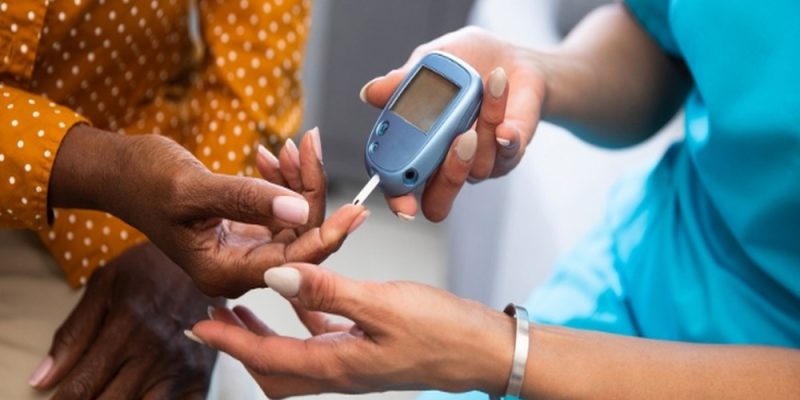
Regular health screening can save your life. Two conditions that affect millions worldwide are diabetes and hypertension. Both often develop silently, showing few symptoms until serious damage occurs.
Early detection through proper screening makes treatment far more effective. This guide covers what you need to know about getting tested for these conditions.
Understanding Why Screening Matters
Diabetes and high blood pressure damage your body over time. They affect your heart, kidneys, eyes, and blood vessels. Many people live with these conditions for years without knowing.
A simple health screening can spot problems before complications start. When caught early, lifestyle changes and treatment can prevent serious harm.
Who Should Get Tested
Adults over 40 should have regular checks for both conditions. Your risk increases with age, so annual testing becomes important.
Younger people need screening too if certain factors apply. Being overweight raises your risk significantly. A family history of either condition means you should start testing earlier.
People who live sedentary lives face higher risks. Physical inactivity affects how your body processes sugar and regulates blood pressure.
Pregnant women require special attention. Gestational diabetes and pregnancy-related hypertension need close monitoring.
Blood Pressure Screening Basics
Checking blood pressure is quick and painless. A cuff wraps around your arm and measures the force of blood against artery walls.
Normal readings fall below 120/80 mmHg. Numbers consistently above 140/90 indicate hypertension.
You can get tested at GP surgeries, pharmacies, or even at home with a monitor. The key is checking regularly, not just once.
Take multiple readings over several days. Blood pressure varies throughout the day. Single high readings don’t always mean you have a problem.
Avoid caffeine and exercise for 30 minutes before testing. Sit quietly for five minutes before the measurement. These steps ensure accurate results.
Diabetes Screening Methods
Several tests can detect diabetes. The fasting plasma glucose test requires not eating for eight hours before blood is drawn. Results show how your body manages blood sugar.
The HbA1c test reveals average blood sugar levels over three months. This test doesn’t require fasting, making it convenient.
Random blood sugar tests can happen any time. Results above certain thresholds suggest diabetes.
Your doctor might recommend an oral glucose tolerance test. You drink a sweet liquid, then blood samples are taken at intervals. This shows how well your body processes sugar.
Preparing For Your Screening
Book your appointment well in advance. Some tests need fasting, so schedule morning appointments when possible.
Write down any symptoms you’ve noticed. Increased thirst, frequent urination, or unexplained tiredness all matter.
List medications and supplements you take. Some affect test results, so your doctor needs to know.
Bring your family medical history. Knowing if relatives had diabetes or hypertension helps assess your risk.
Wear loose clothing that makes it easy to access your arm for blood pressure checks and blood draws.
What Happens After Screening
If results come back normal, you’ll know when to schedule your next health screening. Frequency depends on your age and risk factors.
Abnormal results don’t always mean you have a condition. Your doctor may want repeat tests to confirm findings.
If diagnosed with either condition, treatment can start immediately. This might include medication, diet changes, or exercise plans.
Regular monitoring becomes part of your routine. Tracking your numbers helps you and your doctor see what’s working.
Taking Action On Results
Don’t wait for symptoms to appear. Many people feel fine despite having high blood sugar or blood pressure.
Small changes make big differences. Reducing salt intake helps lower blood pressure. Cutting refined carbohydrates benefits blood sugar control.
Exercise improves both conditions. Just 30 minutes of moderate activity most days helps.
Stress management plays a role too. Chronic stress affects both blood pressure and blood sugar.
Moving Forward
Health screening gives you power over your wellbeing. Knowing your numbers means you can act before problems worsen.
Talk to your GP about creating a screening schedule. Make these checks routine parts of your healthcare.
Your health is worth the small effort required. A simple test today could prevent serious complications tomorrow.










Comments