
 By
By 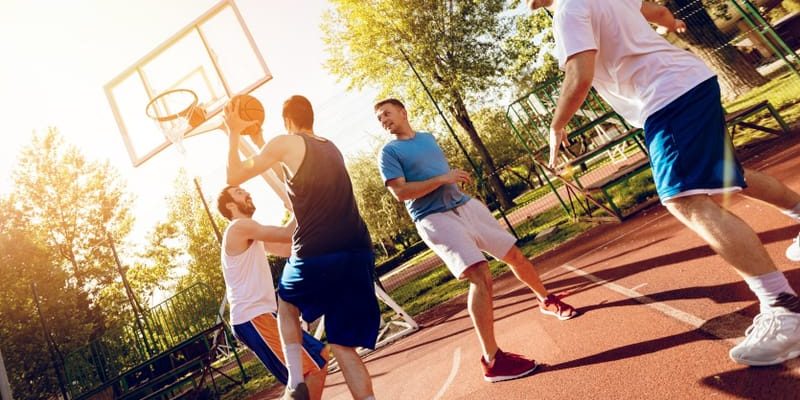
A rush of wind, sunlight on your skin, and the echo of sneakers on open-air courts, playing squash or basketball outside delivers an energy that indoor gyms can never quite match. While both sports have long traditions rooted in indoor play, their outdoor evolution is changing how communities connect, how athletes train, and how newcomers fall in love with the game.
Origins of Outdoor Squash and Basketball
Early Development of Squash and Its Transition Outdoors
Squash began in the echoing corridors of English schools in the 19th century, where students adapted the game of rackets to smaller, enclosed spaces with softer balls. For decades, squash was a quintessential indoor sport, prized for its fast pace and the strategic use of walls. Outdoor squash, though less common, has emerged as a creative twist. Bold court designs and weather-resistant materials now let enthusiasts chase that tiny rubber ball under the sun, adding wind, temperature, and even changing light to the list of challenges.
The Rise of Outdoor Basketball Courts
Basketball’s leap to the outdoors came naturally. Invented in a Massachusetts gym in 1891, the sport quickly found its way to city parks, schoolyards, and neighborhood blacktops. The freedom to play anywhere a hoop could be raised helped basketball explode in popularity. Today, outdoor courts are cultural landmarks, pulsing with pickup games, community tournaments, and stories that span generations.
Cultural and Community Impact in Urban Spaces
Outdoor courts are more than places to burn calories. In many neighborhoods, they become hubs for mentorship, competition, and belonging. The thump of a basketball or the rally of squash balls can draw a crowd, spark friendships, and create safe spaces for young people after school. For cities like Montreal, where the West-End squash club and similar venues offer both indoor and outdoor facilities, these courts serve as bridges between sport and community.
The Evolution of Playing Environments
From Indoor to Outdoor: Changes in Court Design and Materials
Moving play outdoors required innovation. Basketball courts swapped polished wood for durable asphalt or concrete, while squash courts used high-grade panels and weatherproof paints that could withstand rain, sun, and temperature swings. These adaptations keep the games fast and fair, even as the setting shifts.
Weather and Environmental Factors Influencing Gameplay
The unpredictability of the outdoors adds new layers to every game. Gusts of wind can turn a perfect three-point shot into a challenge or send a squash ball slicing off-course. Heat tests endurance, and the shifting position of the sun can affect visibility. Yet these factors also sharpen skills and demand mental flexibility. Players learn to adapt, anticipate, and stay sharp in ways that four walls can’t always teach.
Technological Advances Enhancing Outdoor Play
Advances in court surfacing, lighting, and even portable enclosures have made outdoor play accessible year-round in many climates. LED floodlights extend playing hours, while shock-absorbing court materials reduce injury risks. Even gear has evolved, with balls and shoes designed specifically for outdoor conditions.
Health and Physical Benefits Over Time
Cardiovascular and Muscular Advantages of Outdoor Play
Both sports are powerhouses for heart health and strength. Basketball’s constant movement, jumping, and sprints build cardiovascular endurance and explosive leg muscles. Squash’s dynamic rallies require agility, hand-eye coordination, and relentless sprinting. Playing outdoors often means longer rallies and games, as the open air encourages extended sessions and fewer interruptions.
Mental Health Improvements Linked to Outdoor Activity
There’s a growing body of research connecting outdoor exercise to lower stress, improved mood, and sharper focus. Natural sunlight triggers vitamin D production, which plays a role in mental well-being. The unpredictability of outdoor play also keeps the brain engaged, helping players stay present and creative.
Social Interaction and Team Building in Open-Air Settings
Something changes when a game unfolds under open skies. People are more likely to join in, spectate, or strike up a conversation. Teams bond faster, pick-up games welcome all skill levels, and regulars form tight-knit groups. Shared victories, and even friendly rivalries, become part of the court’s culture.
Accessibility and Community Engagement
Membership Models and Court Rental Options
Access to outdoor squash and basketball doesn’t have to break the bank. Many clubs, like the West-End Cavendish in Montreal, offer flexible membership models and hourly rentals. For instance, renting an outdoor basketball court might cost just $10 per hour for non-members, but is often included for members. Squash memberships can be as affordable as $49.97 per month, allowing unlimited play with friends or new partners.
Promoting Inclusivity Through Outdoor Facilities
Outdoor courts level the playing field. There are no walls to keep out curious passersby or would-be athletes. Open access and affordable rates mean more kids, families, and adults can try the sport, regardless of background. Inclusive programming, such as beginner classes, youth leagues, and women’s nights, draws a diverse crowd and keeps community ties strong.
Case Study: Montreal Squash and West-End Cavendish Programs
Montreal’s commitment to sport shines through at spaces like the West-End Cavendish club. By offering mixed-use facilities, including outdoor and indoor courts, fitness classes, and aquatic programs, the club attracts a wide range of ages and interests. The West-End squash club serves as a prime example of how thoughtful facility design and flexible membership can ignite a passion for sport while supporting broader community goals.
Economic and Environmental Considerations
Cost Benefits of Outdoor vs. Indoor Facilities
Operating outdoor courts is significantly less expensive than maintaining climate-controlled indoor gyms. Lower overhead means clubs can offer better rates and reinvest in community programming. For many neighborhoods, a few well-designed outdoor courts provide far more access than a comparably priced indoor facility.
Sustainable Practices in Outdoor Sports Infrastructure
Modern outdoor courts are also greener. Using recycled materials for surfacing, installing energy-efficient lighting, and incorporating rainwater management systems are just a few ways clubs reduce their environmental impact. Outdoor spaces often blend with parks and green belts, creating natural habitats and beautifying urban landscapes.
Impact on Local Businesses and Neighborhood Development
Active courts drive foot traffic to surrounding cafes, shops, and services. Tournaments and regular programming boost local economies and give residents a reason to stay and invest in their neighborhoods. The ripple effects can be seen in safer streets, higher property values, and a greater sense of community pride.
The Future of Outdoor Squash and Basketball
Emerging Trends in Outdoor Sports Participation
The pandemic accelerated a shift to outdoor activity, and that trend hasn’t faded. More people are discovering the joy of fresh-air sports, and cities are responding with upgraded facilities, innovative programming, and multi-use spaces. Pop-up courts, mobile equipment rentals, and outdoor leagues are making it easier than ever to get in the game.
Innovations in Court Technology and Maintenance
Expect to see more smart surfaces that track player movement, self-healing materials that repair cracks, and court designs that double as event spaces. These innovations ensure outdoor play stays safe, fun, and accessible for years to come.
Expanding Access and Encouraging New Players
Clubs and community organizations are focusing on outreach, hosting free clinics, partnering with schools, and launching programs for underrepresented groups. The goal is clear: make outdoor squash and basketball a gateway to lifelong health, friendship, and community.
How to Get Started Playing Outdoors Today
Finding the Right Courts and Membership Deals
Start by searching local parks, recreation centers, or clubs like West-End Cavendish. Look for membership specials, such as monthly rates or bundled access to multiple sports. Many clubs post their schedules and rates online, making it easy to compare options.
Tips for Beginners on Weather and Equipment
Bring water, dress in layers, and use sunscreen. For basketball, choose outdoor-rated balls and shoes with extra grip. Squash players should opt for goggles (for safety) and racquets designed to handle outdoor conditions. Check the forecast, after all, rain might be your only opponent some days.
Joining Local Leagues and Social Groups for Outdoor Play
Many clubs and city programs offer beginner-friendly leagues, open play times, and social mixers. These are perfect for improving your skills, meeting new people, and discovering the unique thrill of playing under the sky.
—
Outdoor squash and basketball aren’t just about fitness, they’re about freedom, community, and joy. Whether you’re a seasoned athlete or just looking for a new way to move, the court is waiting. All you need is the courage to step outside.










Comments