
 By
By 
When skin starts to look dull, uneven, or “tired” no matter how good your cleanser and moisturizer are, it is often because dead skin cells are building up faster than your natural turnover can clear them. That buildup can soften your glow, emphasize texture, and make dark spots and fine lines look more noticeable. This is exactly where chemical peel services can make a visible difference.
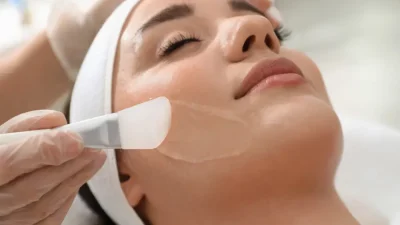
A professional chemical peel is not about harshly “burning” the skin. It is a controlled exfoliation designed to refresh the surface, improve tone and texture, and support healthier-looking skin over time. When the peel is chosen well and done by a trained provider, it can be one of the most effective ways to reset your skin and keep it moving in a better direction.
The Science Behind Chemical Peels
How Your Skin Layers Affect Results
Skin is built in layers, and chemical peels work by removing or loosening the outer layer in a controlled way. The top layer, the epidermis, is where most discoloration, dullness, and rough texture show up first. Deeper layers support structure, firmness, and long-term resilience.
Most peels target the epidermis, and stronger peels can reach the upper portion of the dermis. That depth matters because it changes both the results and the recovery. A lighter peel can brighten quickly with little downtime, while a deeper peel can soften stubborn pigmentation and lines but requires more healing.
The goal is not to peel as deep as possible. The goal is to match the depth to what your skin actually needs.
What Is in a Peel
Professional peels use specific acids to create a controlled exfoliation. The most common categories include alpha hydroxy acids (AHAs) like glycolic or lactic acid, beta hydroxy acids (BHAs) like salicylic acid, and stronger agents like trichloroacetic acid (TCA). Each one behaves differently, which is why professional guidance matters.
AHAs are typically used for surface-level brightening, texture smoothing, and gentle resurfacing. BHAs are oil-soluble, which makes them especially useful for acne-prone skin because they can work inside pores. TCA is often used for medium-depth peels aimed at more noticeable pigment issues, fine lines, and texture concerns.
No matter the type, the “magic” is your skin’s response. The peel encourages faster cell turnover and healing, and over time that can lead to smoother texture, more even tone, and a clearer, fresher appearance.
Types of Chemical Peel Services
Superficial Peels for Gentle Glow
Superficial peels are often called “lunch break peels” because downtime is minimal. These are commonly AHA-based and focus on the epidermis. They help with mild uneven tone, early fine lines, dullness, and surface roughness.
Many people like superficial peels because they can be repeated. A series can gradually improve glow and texture without the intensity of deeper treatments. They are also a popular option for people who want to maintain results as part of an ongoing skincare plan.
Medium Peels for More Noticeable Change
Medium peels go deeper and typically offer stronger improvement in pigmentation, texture, and early wrinkles. TCA or stronger acid blends are often used, and recovery usually includes several days of redness and visible peeling.
These peels can be a good fit for people who have sun damage, lingering dark spots, acne scarring that is more superficial, or texture that has not responded to lighter treatments. Timing matters here because you will want a few days where you can keep your routine simple and avoid heavy sun exposure.
Deep Peels for Dramatic Resurfacing
Deep peels are the most intensive option and are usually reserved for more severe concerns like deep wrinkles or significant sun damage. They require longer recovery and careful medical supervision.
Because deep peels involve more risk and a more demanding healing process, they are not the default choice for most people. Many modern skincare plans can achieve strong results through a series of medium peels or a combination of peels and other treatments, depending on goals and skin type.
What Chemical Peel Services Can Improve
Acne, Congestion, and Post-Breakout Marks
Peels can be extremely helpful for acne-prone skin, especially when clogged pores and inflammation are part of the picture. Salicylic acid peels are commonly used because they help clear pore congestion and reduce breakouts over time.
Peels can also help fade post-inflammatory hyperpigmentation, the dark marks that linger after acne clears. With repeated treatments, skin often looks smoother, clearer, and more even in tone.
That said, active cystic acne and highly sensitized skin may need a more careful plan. A good provider will evaluate your current skin condition and choose an approach that supports healing rather than irritation.
Dullness and Uneven Tone
If your skin looks flat or makeup sits unevenly, a peel can help by lifting the layer of buildup that makes the surface look tired. Many people notice a brighter look after even one superficial peel, though the most consistent results come with a short series.
Peels can also help with certain pigment issues like sun spots and mild melasma, especially when paired with strong sun protection and the right at-home routine.
Fine Lines and Early Signs of Aging
Chemical peels can soften the look of fine lines by improving surface texture and encouraging renewal. With repeated sessions, some peels can also support collagen stimulation, which helps skin look firmer and more refined over time.
A peel will not replace deeper corrective treatments when sagging or deep wrinkles are the main concern, but it can improve overall skin quality in a way that makes skin look healthier and more youthful.
Aftercare and Maintenance That Protect Results
The First Week Matters Most
Post-peel skin is more sensitive, and the way you treat it can strongly affect results. Your skin may feel tight, look pink, and begin to flake or peel depending on the depth.
During this time, gentle care is key. You want mild cleansing, consistent moisturizing, and strict sun protection. You should also avoid scrubs, exfoliating acids, and retinoids until your provider says your skin is ready. The goal is to support healing, not rush it.
Sunscreen is non-negotiable. Newly revealed skin is more vulnerable to UV damage, and sun exposure can trigger new pigmentation quickly.
Building a Routine That Extends the Benefits
Peels work best when your daily routine supports them. A good maintenance routine usually includes a gentle cleanser, a moisturizer that supports your barrier, and daily sunscreen. Many people also add antioxidants like vitamin C to support brightness and protection once skin is fully healed.
Retinoids can also be helpful long-term, but timing matters. They should be introduced carefully and typically not immediately after a peel. A professional plan will tell you exactly when to restart active ingredients.
How Often to Schedule Treatments
Timing depends on peel depth and your skin’s response. Superficial peels are often spaced a few weeks apart, while medium peels usually require more recovery time. Deep peels are not frequent and are typically considered a rare, major procedure.
The most effective approach is often a series planned around your goals, followed by maintenance sessions. Your provider should help you map this out based on how your skin responds and what changes you want to see.
Choosing the Right Provider for Chemical Peel Services
The quality of results depends heavily on proper peel selection, safe application, and good guidance afterward. A strong provider will assess your skin type, sensitivity, pigment tendencies, and goals before recommending a peel depth. They should also explain what you will feel during treatment, what recovery will look like, and how to avoid complications.
If a provider promises “no downtime” for a peel that is clearly medium-depth or does not discuss aftercare, that is a red flag. Good peel outcomes come from careful planning and honest expectations.
Conclusion: A Fresh Start for Your Skin
Professional chemical peel services can be a powerful way to brighten dull skin, smooth texture, reduce acne congestion, and soften early signs of aging. The best results come from matching the peel to your skin’s needs, following aftercare closely, and building a long-term routine that protects the progress you make.
If you want skin that looks clearer, more even, and more refreshed without chasing quick fixes, a well-planned chemical peel can be one of the smartest steps you take.




Comments