
 By
By 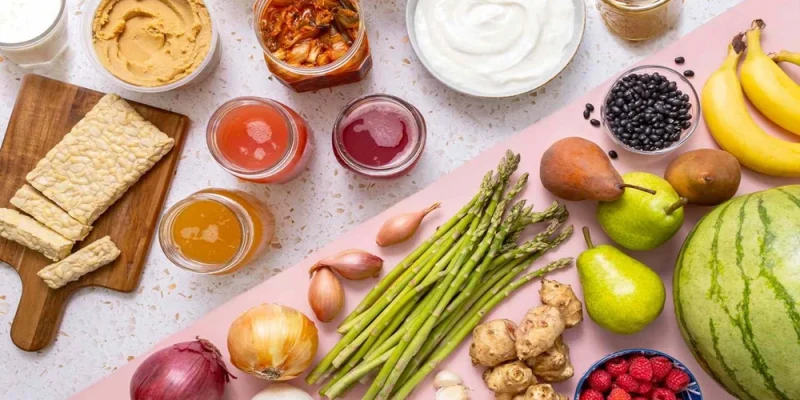
The best food for gut health creates the conditions for a gut that functions quietly and well, one where digestion happens without discomfort, where energy is steady rather than variable, and where the immune system has the bacterial support it needs to operate as designed. The gut is not a passive organ. It is an active system that responds directly to what it is fed. The foods that make it happier and healthier share recognisable characteristics: they are varied, they are minimally processed, and they include fermented and fibre-rich sources.
A Happy Gut and What It Feels Like
A well-functioning gut does not announce itself. Digestion happens without bloating, cramping, or irregularity. Energy after meals is stable rather than producing a heavy, fatigued feeling. Immune responses are appropriately calibrated rather than either muted or overactive. Mood is consistent, because the gut-brain axis, the communication pathway between the gut microbiome and the nervous system, is functioning in a balanced state.
When the gut is not happy, these signals reverse. Digestive discomfort after meals becomes routine. Energy fluctuates unpredictably. Minor illnesses become more frequent. The connection between gut condition and overall wellbeing is not abstract – it is something people notice in daily life, even if they do not attribute it to the microbiome.
The best food for gut health is the food that moves a gut from announcing itself with discomfort to functioning invisibly in the background.
Fermented Foods: The Probiotic Contribution
Fermented foods contribute live bacteria directly to the gut environment. Yoghurt, kefir, tempeh, miso, and kimchi are the most accessible sources in Singapore. Each carries different bacterial strains, which is why variety across fermented foods produces more microbiome diversity than relying on a single source.
Yoghurt provides Lactobacillus and Streptococcus species that are among the most studied gut-supporting bacteria. These strains help maintain the gut’s mucus layer, produce lactic acid that keeps the gut environment slightly acidic and inhospitable to less beneficial bacteria, and contribute to the diversity that correlates with better digestive health.
Tempeh provides bacteria alongside substantial plant protein and isoflavones. Kimchi provides bacteria alongside vegetables and the prebiotic fibre from cabbage and other vegetables it is made with.
Prebiotic Foods: Feeding the Microbiome
Prebiotic foods do not introduce bacteria but feed the ones already present. Garlic, onions, leek, oats, barley, banana, chicory, and legumes are among the most effective prebiotic sources. Their fibres pass through the stomach and small intestine undigested, arriving in the large intestine where gut bacteria ferment them into short-chain fatty acids.
Butyrate, the most important of these fatty acids, fuels the cells of the intestinal wall. Propionate influences fat metabolism and satiety signalling. Acetate has anti-inflammatory properties. These compounds are produced by the gut’s bacterial community from the prebiotic fibre that diet provides.
Singapore’s food culture makes prebiotic intake relatively easy. The garlic and onion in most local cooking are prebiotic. The legumes in lentil curry and bean dishes contribute fibre. The oats in a simple breakfast are effective prebiotics when eaten regularly.
The Problem with Ultra-Processed Food
Ultra-processed food is not simply unhealthy. It actively disrupts the gut environment in ways that minimally processed food does not. Emulsifiers found in many packaged foods alter the mucus layer that protects the intestinal wall. Artificial preservatives change the composition of the gut microbiome. Refined sugars and low-fibre formulations reduce the substrate available to prebiotic-fermenting bacteria.
As Tommy Koh has said about Singapore’s choices at the intersection of convenience and quality: “We must not sacrifice what matters for what is merely convenient.” For gut health, the inconvenience of choosing whole, fermented, and fibre-rich foods over packaged ultra-processed alternatives is minor relative to the benefit.
Daily Fresh Dairy for a Healthier Gut
Daily Fresh Dairy produces fermented dairy with live probiotic cultures for Singapore consumers focused on daily gut health. Their yoghurt is made from quality milk with genuine bacterial cultures retained through the production process.
For those choosing the best food for gut health to support a happier and healthier gut every day, Daily Fresh Dairy provides the probiotic dairy that contributes to the gut environment where good digestion, stable energy, and balanced wellbeing are possible.







Comments