
 By
By 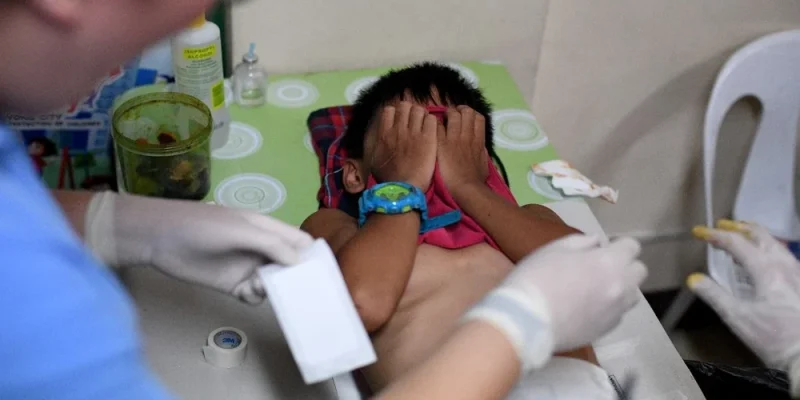
Circumcision is an important milestone for many Filipino boys. Although it is often associated with tradition, summer breaks, and growing up, parents should remember that circumcision is still a medical procedure. It requires proper preparation, qualified healthcare professionals, a clean environment, and careful aftercare.
Understanding what happens before, during, and after circumcision can help parents make safer, more informed decisions for their children.
What Is Circumcision?
Circumcision is the surgical removal of the foreskin, which is the fold of skin covering the head of the penis. In the Philippines, circumcision is commonly called “tuli” and is often performed during late childhood or early adolescence.
Some families choose circumcision because of cultural or religious beliefs. Others consider it for personal hygiene or specific medical reasons. Whatever the reason may be, parents should discuss the procedure with a licensed healthcare professional before making a decision.
Circumcision does not replace regular personal hygiene. A circumcised child must still learn how to wash the genital area properly and maintain healthy habits.
When Is the Right Time for Tuli?
There is no single age that is appropriate for every child. The best timing depends on the child’s health, emotional readiness, family preferences, and the healthcare provider’s recommendation.
In the circumcision Philippines setting, many procedures are scheduled during the school break. This gives children more time to rest and recover without immediately returning to classes or strenuous school activities.
Parents should avoid pressuring a child simply because friends or classmates have already undergone circumcision. A calm conversation can help the child understand what the procedure involves and express any concerns about pain, privacy, or recovery.
Questions to Ask Before Scheduling
Parents should ask the healthcare provider the following questions:
- Is my child medically ready for circumcision?
- Who will perform the procedure?
- What circumcision method will be used?
- What type of anesthesia or pain relief will be provided?
- How long will the procedure take?
- What supplies should we prepare at home?
- When should we return for a follow-up check?
Clear answers can help parents and children feel more prepared.
What Happens During the Procedure?
Before circumcision begins, the healthcare provider will examine the child and review relevant medical information. Parents must mention allergies, existing health conditions, previous reactions to medicines, and any drugs or supplements the child currently takes.
During the tuli procedure, the genital area is cleaned and an anesthetic is provided to reduce pain. The healthcare provider then carefully removes the foreskin using an appropriate surgical technique. Depending on the method and the child’s age, absorbable stitches may be used to close the wound.
The exact steps and length of the procedure can vary. Parents should not assume that every clinic uses the same technique. They should request a simple explanation of the planned method before giving consent.
How Parents Can Choose a Safe Provider
Circumcision should be performed by a trained and qualified healthcare professional using sterile instruments and proper pain management.
Parents should check whether the clinic or medical facility follows appropriate infection-control practices. The treatment area should be clean, and the provider should give clear written instructions for wound care and follow-up.
Low cost and convenience should not be the only deciding factors. A poorly performed circumcision can lead to unnecessary pain, bleeding, infection, or injury. Safety and professional qualifications must come first.
What to Prepare Before the Appointment
The healthcare provider may give specific preparation instructions. In general, parents may need to prepare:
- Loose, comfortable clothing
- Clean underwear or shorts
- Prescribed medicine, if any
- Sterile gauze or wound-care supplies
- Clean drinking water and a light meal, when permitted
- Transportation that allows the child to travel comfortably
Parents should follow the clinic’s instructions regarding food and drinks, especially if sedation or a particular type of anesthesia will be used.
What to Expect During Recovery
Mild swelling, tenderness, and slight discomfort may occur after circumcision. The healthcare provider may recommend pain medicine and explain how to clean and dress the wound.
The child should avoid running, cycling, swimming, sports, and other activities that may cause friction or pressure on the healing area. Loose clothing can reduce discomfort. The wound should also be kept clean and handled only with washed hands.
Parents should never apply powders, oils, herbal products, alcohol, or unapproved creams to the wound. These products may cause irritation, delay healing, or increase the risk of infection.
Recovery time differs from one child to another. The healthcare provider should determine when the child can return to school, sports, and regular physical activities.
Warning Signs That Require Medical Attention
Parents should contact the healthcare provider immediately if the child experiences:
- Bleeding that does not stop
- Increasing redness or swelling
- Pus or an unpleasant-smelling discharge
- Fever
- Severe or worsening pain
- Difficulty passing urine
- Darkening or unusual discoloration of the penis
- A wound that appears to be opening
Parents should not wait for a scheduled follow-up appointment when these warning signs are present.
Helping Your Child Feel Comfortable
Children may feel anxious or embarrassed about circumcision. Parents can help by explaining the procedure honestly using age-appropriate language. Avoid frightening stories, jokes, teasing, or promises that there will be no discomfort at all.
Give the child an opportunity to ask questions privately. Reassure him that healthcare professionals are there to protect his safety and dignity. Respectful communication can make the experience less stressful and support a smoother recovery.
Making an Informed and Safe Decision
Tuli may be a familiar Filipino tradition, but it should always be approached as a medical decision. Parents must consider their child’s physical health, emotional readiness, the provider’s qualifications, pain management, and the quality of aftercare.
Consulting a licensed healthcare professional is the safest first step. With proper preparation, a clean medical setting, and careful recovery support, parents can protect their child’s comfort and well-being throughout the circumcision process.




Comments