
 By
By 
Patients hear the phrase from friends, wellness influencers and sometimes from their own hospital, often with very different meanings attached. Some use it to describe yoga classes at a cancer centre; others use it loosely to mean herbal alternatives to chemotherapy. These are not the same thing, and the difference matters for your safety. This article explains what integrative oncology actually means, which components have reasonable evidence behind them, and how to combine them with conventional treatment without creating risk.
The definition that matters
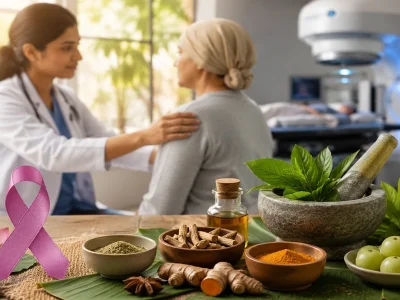
In its accepted sense, the term describes a patient-centred approach that combines conventional cancer treatment with evidence-informed supportive practices such as nutrition counselling, exercise, mind-body techniques and symptom management. The word “integrative” refers to combining these with, not substituting them for, surgery, chemotherapy, radiation, targeted therapy and immunotherapy.
Three principles follow from that definition:
- The oncologist’s prescribed treatment is the foundation and is never stopped or delayed.
- Supportive practices are chosen for their effect on wellbeing, symptoms and function, not as a treatment for the tumour.
- Everything the patient uses, including herbs and supplements, is disclosed to the treating team.
What it is not
It is not “alternative medicine”. Alternative medicine means using unproven methods instead of standard treatment, and studies of patients who chose that path show worse outcomes. Integrative care explicitly rejects that trade-off.
It is also not a single product or protocol. No herbal mixture, diet or device constitutes integrative care on its own. A clinic offering supportive care alongside oncology, such as those associated with Dr Tarang Krishna, describes its role as complementary to the oncologist’s treatment, not as a replacement, and that is the framing to look for.
The components with the strongest support
Nutrition
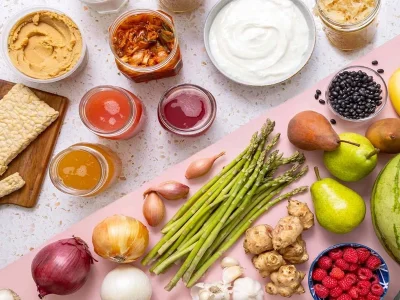
Cancer and its treatment change appetite, taste, digestion and weight. Dietitian-led nutrition support helps patients maintain protein intake, manage nausea and mouth sores, and avoid unplanned weight loss, which is linked to poorer tolerance of treatment. For Indian diets this often means practical adjustments: adding dal, paneer, eggs or curd to meals, small frequent portions, and avoiding raw or street food during low-immunity phases. The clinic’s note on weight loss during cancer treatment covers common problems and fixes.
Exercise
Guidelines from major oncology bodies now recommend regular, moderate physical activity during and after treatment for most patients. Walking, light resistance work and breathing exercises can reduce fatigue, preserve muscle and improve mood. Intensity must be adjusted for blood counts, bone involvement and surgical recovery, so a physiotherapist’s input is useful.
Mind-body practices
Meditation, yoga, pranayama, guided relaxation and counselling have reasonable evidence for reducing anxiety, improving sleep and easing treatment-related distress. They are low-risk and widely available in India.
Symptom support
Acupuncture for chemotherapy-induced nausea, structured sleep hygiene, and early palliative care input for pain and breathlessness all have supporting evidence. Palliative care in this sense is symptom control at any stage, not only end-of-life care.
Herbal and supportive formulations
This is the area that needs the most caution. Some herbal products are used in supportive care programmes to address energy, appetite and general wellbeing. Where a clinic offers an integrative cancer treatment plan that includes such formulations, the plan should be shared with the oncologist, because certain herbs can affect liver enzymes, blood clotting or the metabolism of chemotherapy and targeted drugs.
Safety rules when combining care
- Disclose everything. Bring a full list of supplements, herbs and over-the-counter products to every oncology visit.
- Time it right. Some oncologists ask patients to pause antioxidants or herbal products around chemotherapy or radiation days. Follow that advice.
- Watch for interactions. Grapefruit, St John’s Wort, high-dose turmeric extracts and some Ayurvedic preparations are known to interact with cancer drugs.
- Beware of infection risk. During neutropenia, avoid raw juices, unpasteurised products and crowded group classes.
- Do not delay. If any supportive programme asks you to postpone a scan, surgery or chemotherapy cycle, that is a signal to stop and speak to your oncologist.
Questions to ask a supportive care provider
- How will you coordinate with my treating hospital, and will my plan be sent to them in writing?
- What evidence supports each component you recommend?
- Are any products you prescribe known to interact with my specific drugs?
- What does the programme cost, and what is included?
- What would make you advise me to stop a part of the plan?
A credible provider welcomes these questions. Good integrative oncology practice is transparent about limits as well as benefits.
Who tends to benefit most
Patients going through long courses of chemotherapy or radiation, those with significant fatigue, appetite loss or anxiety, and survivors rebuilding strength after active treatment often gain the most from a structured supportive plan. Patients with very low blood counts, active infections or unstable symptoms should get their oncologist’s clearance first.
When to seek urgent care
No supportive measure replaces emergency treatment. Go to the hospital or call the oncology team immediately for fever during chemotherapy, severe breathlessness, uncontrolled bleeding, persistent vomiting, sudden confusion or new severe pain.
Disclaimer: This article is for general information only and is not a substitute for medical advice. Please consult a qualified oncologist before starting, changing or stopping any treatment or supportive therapy.







Comments