
 By
By 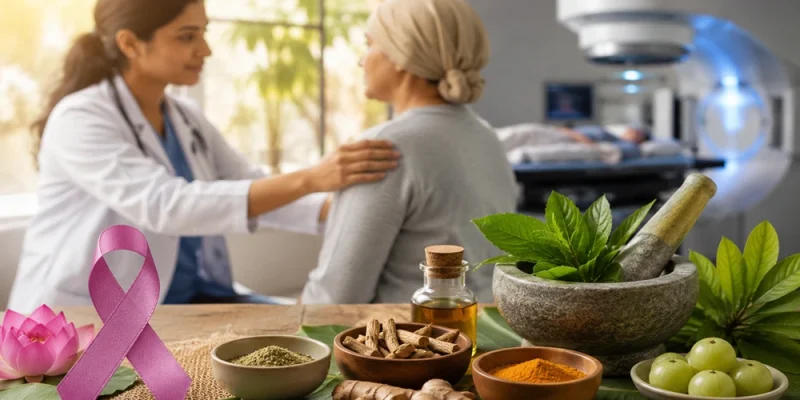
Cancer treatment has come a long way. From aggressive chemotherapy regimens to precision-targeted therapies, medical science has made remarkable strides. Yet, for many patients, something still feels missing. The physical toll of treatment, the emotional weight of diagnosis, and the uncertainty about life after cancer often go unaddressed by conventional medicine alone.
This is exactly where integrative cancer care steps in, and why it is rapidly gaining recognition among the most respected names in Indian oncology.
The Problem With Treating Cancer as Just a Disease
When a patient receives a cancer diagnosis, the immediate focus understandably shifts to tumour removal, cell destruction, and survival statistics. But cancer does not exist in isolation. It affects the whole person, including the body, the mind, the emotions, and even the spirit.
Conventional treatment protocols are designed to fight the disease. They are not always designed to support the person living through it. Fatigue, nausea, anxiety, depression, nutritional deficiencies, and immune suppression are common side effects that significantly impact quality of life, and yet they are often managed reactively rather than proactively.
This gap is precisely what best integrative cancer care India practitioners are working to fill.
So, What Does Integrative Cancer Care Actually Mean?
Integrative cancer care is not about replacing conventional treatment. Let that be absolutely clear. It is about combining evidence-based complementary therapies alongside standard oncology protocols to improve outcomes, reduce side effects, and support the whole patient.
Think of it as building a broader, more complete treatment team, one that includes oncologists, nutritionists, psychologists, physiotherapists, yoga therapists, and other wellness professionals who work in coordination.
What Integrative Care Typically Includes
Mind-Body Practices: Meditation, guided imagery, yoga, and breathwork have shown measurable benefits in reducing treatment-related anxiety and improving sleep quality in cancer patients.
Clinical Nutrition: A carefully designed diet during and after cancer treatment can support immune function, reduce inflammation, and help the body recover more efficiently from the effects of chemotherapy or radiation.
Herbal and Naturopathic Support: Certain evidence-backed herbs and supplements, when prescribed carefully by qualified practitioners, can support organ health and reduce toxic side effects without interfering with treatment efficacy.
Acupuncture and Pain Management: Acupuncture has been studied extensively for its role in managing chemotherapy-induced nausea, peripheral neuropathy, and chronic pain in cancer patients.
Psychological Counselling and Emotional Support: A cancer diagnosis is as much a psychological event as it is a physical one. Structured emotional support has been shown to directly improve patient compliance, resilience, and treatment outcomes.
Physical Rehabilitation: Gentle, guided exercise during treatment reduces fatigue, preserves muscle mass, and supports cardiovascular health, all of which are compromised during intensive cancer therapy.
Why Are Oncologists in India Increasingly Recommending It?
For years, integrative approaches were viewed with scepticism by the mainstream oncology community. That conversation has changed significantly. Here is why.
The Evidence Has Grown
Multiple clinical studies and systematic reviews published in reputable journals now support the use of select integrative therapies alongside conventional cancer treatment. Oncologists can no longer dismiss what the data is showing.
Patient Demand Is Rising
Indian patients, particularly in urban centres, are increasingly well-informed. They are asking about nutrition, stress management, and holistic wellness as part of their cancer journey. Progressive oncologists are responding to this demand with structured integrative programmes rather than leaving patients to navigate it on their own.
Better Outcomes, Fewer Drop-Outs
One of the most significant challenges in cancer treatment is patient drop-out due to unbearable side effects. Integrative support has been shown to improve treatment adherence by making the overall experience more manageable, both physically and emotionally.
A Shift in the Definition of “Healing”
Leading oncologists are increasingly acknowledging that survival alone is not the only measure of successful treatment. Quality of life, mental wellbeing, and post-treatment recovery are equally important markers. Integrative care addresses all of these dimensions simultaneously.
Dr. Tarang Krishna and the Integrative Vision at Cancer Healer Center
One of the most prominent voices in this space in India is Dr. Tarang Krishna, Managing Director of the Cancer Healer Center. With a philosophy rooted in treating the patient rather than just the disease, Dr. Krishna has been instrumental in bringing integrative oncology into mainstream conversation in India.
At the Cancer Healer Center, the approach goes beyond standard protocols. Patients receive personalised care plans that combine immunotherapy-based treatments with nutritional guidance, psychological support, and lifestyle interventions. The goal is not just to extend life, but to ensure that the life being lived is meaningful, comfortable, and full.
For patients seeking the best integrative cancer care India has to offer, Dr. Tarang Krishna’s work at Cancer Healer Center represents a model that is both clinically credible and deeply human-centred.
What to Expect When You Choose Integrative Cancer Care
If you or a loved one is considering this approach, here is what the journey typically looks like:
Initial Comprehensive Assessment: Rather than focusing solely on tumour markers and imaging, an integrative oncologist will assess your nutritional status, emotional health, sleep patterns, lifestyle habits, and support system.
Personalised Care Plan: Based on this assessment, a multi-disciplinary team designs a care plan that complements your primary cancer treatment. Every element is evidence-informed and coordinated with your main oncologist.
Ongoing Monitoring and Adjustment: Integrative care is not a one-size-fits-all solution. As your treatment progresses, the complementary support evolves with you.
Post-Treatment Survivorship Support: Cancer survivorship comes with its own set of challenges, including fear of recurrence, hormonal changes, fatigue, and emotional readjustment. Integrative care extends into this phase to support long-term recovery.
The Road Ahead for Integrative Oncology in India
India is at an exciting inflection point. With a rich tradition of Ayurveda, yoga, and holistic medicine on one hand, and a rapidly advancing oncology infrastructure on the other, the country is uniquely positioned to lead the world in truly integrated cancer care.
Institutions and practitioners who embrace this model are not just ahead of the curve clinically. They are fundamentally redefining what compassionate cancer care looks like in the 21st century.
Final Thoughts: A More Complete Approach to Healing
Cancer treatment does not have to be a purely clinical, isolating experience. The growing body of evidence, combined with the lived experiences of thousands of patients, makes one thing clear: when conventional oncology and integrative care work together, patients do better.
If you are navigating a cancer diagnosis, know that you have more options than you may realise. Ask your oncologist about integrative support. Seek out specialists who treat the whole person. And if you are looking for Dr. Tarang Krishna and the team at Cancer Healer Center, do not hesitate to reach out and explore what a personalized integrative plan could look like for you.
Because healing is not just about fighting cancer. It is about reclaiming your life.
Frequently Asked Questions (FAQs)
Q1. Is integrative cancer care safe alongside chemotherapy or radiation?
Yes, when overseen by qualified professionals who are in communication with your primary oncology team. The key is coordination. Integrative therapies are selected carefully to avoid any interference with conventional treatment and to actively support its effectiveness.
Q2. Is integrative cancer care only for advanced-stage patients?
Not at all. Integrative support is beneficial at every stage of the cancer journey, from early diagnosis through active treatment, post-treatment recovery, and long-term survivorship. In fact, starting early often yields the best results.
Q3. Does integrative cancer care replace surgery, chemotherapy, or targeted therapy? No. Integrative care is always complementary, not a substitute for evidence-based conventional treatment. It works alongside your primary treatment to reduce side effects, support recovery, and improve overall wellbeing.
Q4. How is Cancer Healer Center different from a conventional oncology hospital?
Cancer Healer Center, under the leadership of Dr. Tarang Krishna, combines immunotherapy-based protocols with a genuinely holistic care model. The focus is on the patient as a whole person, not just the disease, making the treatment experience more personalised, supportive, and comprehensive.
Q5. How can I consult Dr. Tarang Krishna for integrative cancer care?
You can reach out to the Cancer Healer Center through their official website or contact their patient care team directly to schedule a consultation. The team will guide you through the intake process and help determine the most suitable integrative care plan based on your diagnosis, current treatment, and overall health profile.






Comments