
 By

If you are already eating plenty of protein to keep your hair strong and healthy, you might wonder whether adding hair tablets to your daily routine makes any real difference.
When you walk down a pharmacy aisle or scroll online, you will see dozens of colourful bottles which are promising thicker, shinier, faster-growing hair.
The short answer is yes. Hair tablets for men and women can totally complement a protein-rich diet but only when they fill genuine nutritional gaps.
If you already have all the tools and mortar you need, buying extra supplies will not make the house go up any faster.
Let us break down how protein and hair tablets work together, when a supplement actually helps as well as how you can make smart, safe choices for your hair.
Why Protein Is the Foundation of Healthy Hair?
Before looking at tablets, it totally helps to understand why your diet matters so much in the first place.
Every single strand of hair on your head is made up of roughly 85 to 90 percent keratin which is a tough, fibrous type of protein.
Amino Acids Are the Building Blocks
When you eat protein-rich foods such as dal, paneer, chickpeas, soya, eggs, fish, chicken or yoghurt, your digestive system breaks that protein down into tiny units which are called amino acids.
Your body then sends those amino acids to your hair follicles to weave new strands of keratin.
Your Body Treats Hair as Non-Essential
When you do not eat enough protein, your body prioritizes vital organs such as your heart, brain as well as muscles first. Hair follicles are at the back of the line which can totally push resting hairs into a shedding phase a few months later.
Food Provides Complete Nutrition
Whole protein foods rarely come alone. Alongside amino acids, they naturally bring along healthy fats, energy as well as trace nutrients that keep your scalp nourished.
If your daily meals include good sources of protein in a very consistent manner, you have already laid the strongest possible groundwork for healthy hair.
How Hair Tablets Work Alongside a High-Protein Diet?
Even if you hit your daily protein goals, a high-protein diet does not automatically guarantee you are getting every single micronutrient your hair follicles rely on. This is where effective hair tablets step in as a supporting player rather than a replacement for real food.
Supplying Vitamins and Minerals (cofactors)
Your hair follicles need specific vitamins as well as minerals to turn dietary protein into actual hair strands.
Common ingredients in hair tablets such as iron, zinc, vitamin D, vitamin B12 as well as folic acid totally help enzymes do this conversion work in a very efficient manner.
Bridging Vegetarian or Restricted Diet Gaps
The majority of people follow vegetarian diets that rely heavily on dairy, lentils as well as legumes for protein. While these foods are great for protein, it is still easy to fall short on vitamin B12 (mostly found in animal products) or easily absorbable iron and zinc. A targeted tablet can bridge that exact gap.
Offering Targeted Amino Acids
Some specialized hair supplements include specific sulphur-containing amino acids, such as L-cysteine or L-methionine. Keratin relies heavily on these two amino acids for strength and elasticity, so small extra amounts may offer mild support if your intake is low.
Supporting Scalp Circulation and Cell Turnover
Ingredients such as vitamin C help your body absorb plant-based iron better as well as support collagen production around the hair follicle which ultimately keeps the root environment healthy.
When Hair Tablets Might Not Add Much Value?
In the majority of cases, hair growth tablets for healthy hair growth offer very little extra benefit on top of a balanced, protein-rich diet.
When Your Nutrient Levels Are Already Normal
Your hair follicles only use what they actually need. Once your iron, zinc as well as vitamin stores reach a healthy level, taking extra doses will not force your hair in order to grow twice as fast or become twice as thick.
The Biotin Myth
Biotin (vitamin B7) is the star ingredient in almost every hair gummy as well as tablet. True biotin deficiency is very rare in people who are eating a normal diet.
It is because gut bacteria make some of it and many everyday foods contain it. Unless a doctor finds a deficiency, extra biotin rarely changes overall hair growth.
When Hair Loss Is Not Caused by Diet
Hair thinning often happens because of genetics. These are male or female pattern hair loss, thyroid imbalances, hormonal shifts such as PCOS, high stress levels or scalp conditions such as severe dandruff.
Potential Risks of Overdoing Hair Supplements
Hair tablets are sold over the counter without a prescription. The majority of people assume that taking more is completely harmless.
Too Much of a Good Thing Can Trigger Shedding
Taking excessive amounts of vitamin A, selenium, or zinc over a long period can actually cause hair fall rather than stop it. High zinc intake can also block your body from absorbing copper, leading to a secondary deficiency.
Lab Test Interference
High doses of biotin do not usually cause physical side effects, but they can distort blood test results including crucial tests for thyroid function and heart health which leads to misleading readings.
Digestive Discomfort
Iron and zinc in heavy multi-ingredient tablets commonly cause nausea, stomach cramps, acidity or constipation. It is especially when taken on an empty stomach.
Overlapping Ingredients
If you already take a daily multivitamin, bone health supplement or energy tonic, adding a hair tablet on top can totally push your daily intake past safe upper limits.
Practical Pointers for Combining Diet and Hair Tablets Safely
If you want to get the best results from both your plate and your supplement cabinet, follow these practical steps:
Prioritize Whole-food Protein at Every Meal
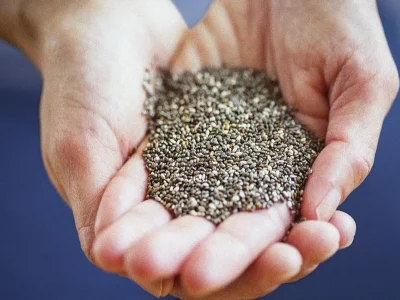
Aim to include a clear source of protein in breakfast, lunch, and dinner rather than relying on powders or pills. Simple habits like adding roasted chana, seeds, Greek yoghurt, eggs, or extra dal go a long way.
Get a Simple Blood Test Before Buying
Instead of guessing which tablet you need, ask a doctor for basic blood work, typically checking ferritin (stored iron), vitamin D, vitamin B12 as well as thyroid function. Correcting a proven deficiency works far better than taking a random blend.
Read the Ingredient Label Carefully
Look for supplements that provide sensible amounts close to 100% of the Recommended Dietary Allowance (RDA) rather than mega-doses of 5,000% or 10,000%.
Pair Nutrients Smartly
If your doctor recommends iron, take it alongside a source of vitamin C such as amla, lemon water, or an orange to boost absorption as well as keep it separate from tea, coffee or calcium-rich dairy which block iron uptake.
Give Any Change Enough Time
Hair grows in a slow manner. It is roughly half an inch per month. Whether you improve your protein intake or start a targeted supplement, expect to wait 3 to 6 months before noticing real changes in shedding or texture.
The Bottom Line
A protein-rich diet is the true heavy lifter for strong, resilient hair. Hair tablets work best as a targeted backup plan, helping out when busy schedules, dietary restrictions or confirmed nutrient deficiencies leave small gaps that food alone has not covered.
Keep real food at the centre of your routine, test before you supplement as well as treat hair tablets as a helpful supplement.









Comments