
 By
By 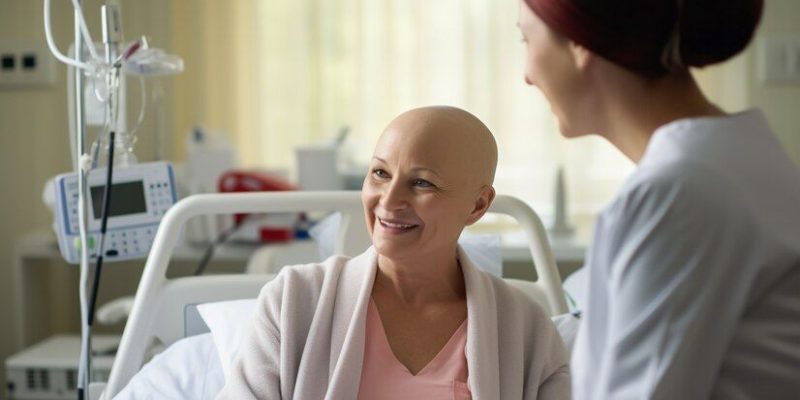
A cancer diagnosis can affect almost every part of a person’s life. Along with medical treatment, patients may face emotional stress, physical weakness, changes in appetite, financial concerns, family worries, sleep disturbance, and uncertainty about the future. Many people enter treatment thinking only about surgery, chemotherapy, radiation, or medicines. Over time, they realise that the cancer journey also requires mental strength, lifestyle adjustment, family support, and clear communication with the care team.
Every patient’s experience is different. The type of cancer, stage, treatment plan, age, general health, family situation, and personal coping style all influence the journey. Still, many patients face similar challenges. Understanding these challenges can help patients and families prepare better and seek timely support from experienced professionals such as Dr. Tarang Krishna.
Challenge 1: Fear After Diagnosis
Fear is one of the first reactions many patients experience after hearing the word cancer. Patients may worry about survival, pain, treatment side effects, expenses, family responsibilities, and changes in daily life. Some people feel shocked and unable to process information during the first consultation.
This emotional reaction is normal. Cancer Research UK explains that it is common for people with cancer and caregivers to face mental health challenges during and after treatment. Support, information, and open communication can help patients cope better.
A practical solution is to write down questions before each appointment. Patients should ask about diagnosis, stage, treatment choices, expected side effects, duration of treatment, and follow-up. When information is clear, fear often becomes easier to manage.
Challenge 2: Confusion About Treatment Options
Cancer treatment can involve many terms that are unfamiliar to patients. Words like biopsy, staging, chemotherapy, radiation, immunotherapy, targeted therapy, surgery, remission, and recurrence can feel confusing. Patients may also receive opinions from relatives, friends, online sources, or other patients, which can increase anxiety.
The National Cancer Institute provides patient resources on coping with cancer, including emotional, practical, and lifestyle concerns that occur during the disease and treatment journey. Such resources can be useful, but they should never replace a personalised consultation.
The solution is to rely on a structured care plan from the treating doctor. Patients should ask why a specific treatment is being recommended, what alternatives exist, and what the goal of treatment is. A good cancer care plan should be explained in simple language.
Challenge 3: Fatigue and Weakness
Cancer-related fatigue is different from ordinary tiredness. It may not improve fully with rest and can affect walking, eating, bathing, working, or even speaking for long periods. Fatigue may be caused by cancer itself, chemotherapy, radiation, surgery, low blood counts, poor sleep, pain, anxiety, or reduced nutrition.
The National Cancer Institute notes that exercise, including walking, may help some people with cancer feel better and have more energy during and after treatment, but patients should discuss the right activity plan with their healthcare team.
A practical solution is energy planning. Patients can do important tasks when they feel strongest, take short rest breaks, accept help from family, and avoid unnecessary physical strain. Light movement, if approved by the doctor, may support strength and mood.
Challenge 4: Eating Difficulties and Weight Changes
Cancer patients may face appetite loss, nausea, mouth ulcers, taste changes, swallowing difficulty, constipation, diarrhoea, or weight loss. Some patients may gain weight due to reduced activity or certain medicines. Nutrition problems can affect strength, immunity, treatment tolerance, and recovery.
The solution is not to follow random diet advice. Patients should ask their doctor or dietitian what food pattern suits their treatment and condition. Small frequent meals, soft foods, adequate fluids, protein-rich options, and symptom-specific changes may help. If eating becomes difficult, patients should report it early instead of waiting until weight loss becomes severe.
Family members should avoid forcing food aggressively. Gentle support, patience, and medically guided nutrition are usually more useful.
Challenge 5: Treatment Side Effects
Side effects depend on the type of cancer and treatment. Patients may experience nausea, vomiting, hair loss, fatigue, pain, skin changes, mouth sores, low blood counts, infection risk, neuropathy, bowel changes, or sleep disturbance. Some side effects are temporary, while others may need longer management.
Cancer Research UK provides guidance on coping physically with cancer, including symptoms and possible treatment side effects such as pain, sickness, and diet problems.
Patients should report side effects promptly. Many symptoms can be managed better when treated early. Doctors may prescribe medicines, adjust supportive care, advise tests, or recommend lifestyle changes. Patients should not stop cancer treatment or change medicines without consulting their doctor.
Challenge 6: Emotional Isolation
Some patients feel lonely even when surrounded by family. They may avoid sharing fears because they do not want to worry others. Others may feel that friends do not understand what they are going through. Emotional isolation can increase sadness, anger, and hopelessness.
Mayo Clinic advises cancer patients to let friends and family help with errands, appointments, meals, and household chores. It also recommends open communication with loved ones because cancer affects relationships and family life.
A practical solution is to identify two or three trusted people who can listen without judging. Patients may also benefit from counselling, support groups, spiritual guidance, or structured wellness support, depending on their comfort.
Challenge 7: Maintaining Daily Routine
Cancer treatment can disturb work, family roles, sleep, exercise, social life, and personal independence. Patients may feel frustrated if they cannot do what they did earlier. Some may push themselves too hard to appear strong, while others may withdraw completely.
A balanced routine can help. Patients can divide the day into treatment, rest, food, light activity, communication, and personal time. The routine should remain flexible because energy levels may change. Even small habits, such as walking indoors, reading, prayer, breathing exercises, or speaking to a friend, can provide structure.
A flexible routine can reduce confusion, create a sense of control, and support recovery during treatment.
Challenge 8: Family and Caregiver Stress
Cancer affects the family as well as the patient. Caregivers may manage hospital visits, medicines, food, finances, reports, emotional support, and household responsibilities. Over time, they may become exhausted.
The solution is shared responsibility. One person should not carry everything alone if other support is available. Families can divide tasks such as appointment coordination, food planning, transport, insurance paperwork, and emotional support. Caregivers should also rest and seek help when needed.
A calm and informed family environment can help the patient feel safer.
Conclusion
Cancer patients face many challenges beyond the disease itself. Fear, fatigue, confusion, side effects, eating difficulties, emotional stress, family pressure, and lifestyle disruption are all common parts of the journey. These problems should not be dismissed as weakness. They require attention, planning, and support.
With clear medical guidance, structured treatment, emotional support, nutrition care, side effect management, and family involvement, patients can move through the cancer journey with greater confidence. The most helpful approach is to treat the person as a whole, while continuing to follow the treatment plan advised by the oncology team.








Comments