
 By
By 
Missing teeth can affect chewing, speech, appearance, confidence, and the way remaining teeth function. Some people lose teeth because of decay, gum disease, injury, infection, or age-related dental problems. Others may need extraction because a tooth cannot be saved. Once a tooth is lost, patients often ask which replacement option is best.
The three commonly discussed options are dental implants, dentures, and bridges. Each has its own advantages, limitations, cost factors, treatment time, and maintenance needs. The right choice depends on the number of missing teeth, bone condition, gum health, medical history, budget, age, comfort expectations, and long-term oral care habits.
Patients considering Dental Implants in Lower Parel should first understand how implants compare with dentures and bridges before deciding on treatment.
Why Missing Teeth Should Be Replaced
A missing tooth may seem like a small concern, especially if it is not visible while smiling. However, the gap can affect the mouth over time. Nearby teeth may slowly shift into the empty space. The opposing tooth may move downward or upward because it no longer has a biting partner. Chewing may become uneven, which can place extra pressure on other teeth.
Missing teeth can also affect speech and facial support, especially when several teeth are lost. Some people begin chewing only on one side, which may create discomfort or uneven wear.
Replacing missing teeth helps restore function, improve appearance, and support better oral balance.
What Are Dental Implants?
A dental implant is a small titanium or biocompatible post placed into the jawbone to act like an artificial tooth root. After healing, a crown, bridge, or denture can be attached to it. Implants are designed to provide stable support for replacement teeth.
Dental implants may be used to replace a single tooth, several teeth, or even a full arch in suitable cases. They are popular because they do not usually require cutting down neighbouring healthy teeth, unlike some bridge treatments.
However, implants require adequate bone support and healthy gums. Some patients may need bone grafting or other preparatory procedures before implant placement. Healing time is also required before the final tooth is placed, depending on the clinical situation.
What Are Dentures?
Dentures are removable appliances used to replace missing teeth. They may be complete dentures, used when all teeth are missing, or partial dentures, used when some natural teeth remain. Dentures are usually more affordable than implants and can be made for patients who are not suitable for surgical treatment.
Dentures can restore appearance and basic chewing function. However, they may feel less stable than fixed options. Some patients experience movement while speaking or eating, especially with lower complete dentures. They may also need adjustments if sore spots develop.
Dentures must be removed and cleaned daily. They may need replacement or relining over time because the gums and bone can change shape after tooth loss.
What Are Dental Bridges?
A dental bridge is a fixed replacement used to fill a gap created by one or more missing teeth. Traditional bridges are supported by neighbouring teeth. These supporting teeth are usually shaped to receive crowns, and the artificial tooth is attached between them.
Bridges can provide good function and appearance, especially when the neighbouring teeth already need crowns. They are fixed in the mouth, so patients do not remove them like dentures.
The main consideration is that healthy adjacent teeth may need to be reduced to support the bridge. If those teeth are strong and untouched, the dentist will carefully consider whether this is the best approach. Bridges also require good cleaning under and around the artificial tooth to prevent decay and gum problems.
Comparing Stability and Comfort
Dental implants are generally very stable because they are anchored in the jawbone. Once healed and restored, they can feel close to natural teeth in function. This stability is one reason many patients prefer implants when they are suitable.
Bridges are also fixed and stable, but they depend on the strength of the supporting teeth. If the supporting teeth develop decay, gum disease, or fracture, the bridge may be affected.
Dentures are removable and may feel less stable, especially if the bone ridge is flat or if saliva control is poor. Some patients adapt well to dentures, while others find them uncomfortable. Denture adhesives may help in some cases, but they do not solve all stability problems.
Comparing Treatment Time
Dentures can often be completed faster than implants, especially when a simple removable option is planned. Bridges may also be completed within a shorter period, depending on gum health, tooth condition, and laboratory work.
Dental implants usually take longer because the implant must integrate with the bone. In some cases, immediate temporary teeth may be possible, but this depends on bone quality, implant stability, and the dentist’s assessment. Patients should ask their dentist about expected timelines before beginning treatment.
Comparing Cost
Dentures usually have the lowest initial cost. Bridges are often more expensive than removable dentures, especially when high-quality materials are used. Implants generally have a higher initial cost because they involve surgical placement, implant components, planning, and final restoration.
However, cost should be understood over time. Dentures may need adjustments, relining, or replacement. Bridges may need replacement if supporting teeth fail. Implants also need maintenance and follow-up, but they may provide long-term value in suitable patients.
Patients should compare not only the immediate price but also durability, comfort, maintenance, and future treatment needs.
Comparing Maintenance
All tooth replacement options require care. Implants must be cleaned carefully around the crown and gum line. Patients should attend regular dental check-ups because implant health depends on healthy gums and good hygiene.
Bridges require cleaning under the artificial tooth using floss threaders, interdental brushes, or water flossers when advised. Poor cleaning can lead to gum inflammation, decay in supporting teeth, and bad breath.
Dentures should be removed, cleaned, and stored properly. They should not be worn continuously without guidance because the gums need rest. Denture users should still visit the dentist to check gums, fit, and oral health.
Who May Be Suitable for Each Option?
Dental implants may suit patients with good bone support, healthy gums, controlled medical conditions, and a desire for a fixed long-term replacement. People with uncontrolled diabetes, heavy smoking habits, severe gum disease, or inadequate bone may need additional evaluation before implant treatment.
Bridges may suit patients who want a fixed option and have strong neighbouring teeth that can support the restoration. They may also be useful when adjacent teeth already need crowns.
Dentures may suit patients who want a removable and more affordable option, those missing several teeth, or those who cannot undergo surgical treatment.
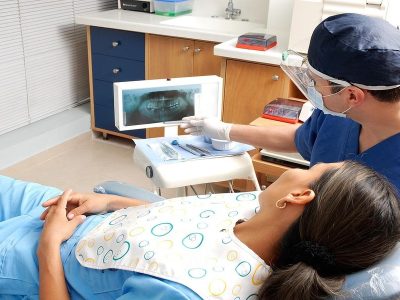
A dental examination, X-rays, scans when needed, and gum evaluation help decide which option is appropriate.
Questions Indian Patients Should Ask
Before choosing treatment, patients should ask: How many teeth need replacement? Is my bone suitable for implants? Are my gums healthy? Will neighbouring teeth need to be cut for a bridge? How long will treatment take? What maintenance is required? What is the expected lifespan? What are the total costs, including follow-up and future adjustments?
Clear answers help patients choose confidently.
Conclusion
Dental implants, dentures, and bridges can all replace missing teeth, but they serve different needs. Implants provide fixed support in suitable patients, bridges offer a fixed solution using neighbouring teeth, and dentures provide a removable option that may be more affordable and faster to make.
The best choice depends on oral health, bone condition, medical history, budget, comfort expectations, and long-term maintenance ability. A detailed consultation at a Dental Implants clinic in Lower Parel can help patients compare options and select a treatment plan that supports both function and oral health.







Comments